BENEFITS OF RADISH-RAPHANUS SATIVUS
Remedy for Vitiligo-Leukoderma- a skin disease!
A kind of skin disorder characterized by smooth white patches on various parts of the body, caused by the loss of the natural pigment - Also called Leucoderma, piebald skin.
Radish (Raphanus sativus)
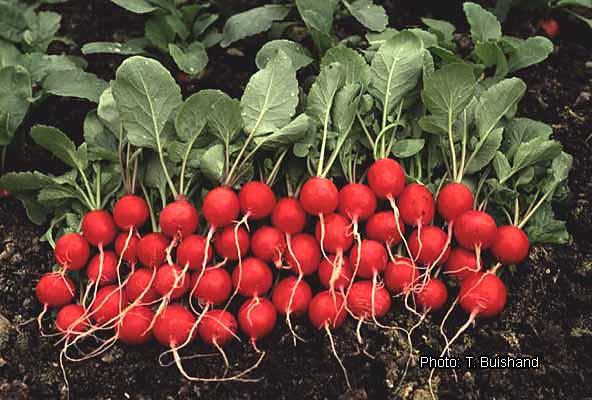
The Radish (Raphanus sativus) is an edible root vegetable of the Brassicaceae family that was domesticated in Europe in pre-Roman times. Radishes are grown and consumed throughout the world, being mostly eaten raw as a crunchy salad vegetable. They have numerous varieties, varying in size, color and the length of time they take to mature. They are sometimes grown as companion plants and suffer from few pests and diseases. They germinate quickly and grow rapidly, smaller varieties being ready for consumption within a month while larger daikon varieties taking several months. Some radishes are grown for their seeds: oilseed radishes, for instance, may be grown for oil production. Others are used for sprouting and both roots and leaves are sometimes served cooked.
The parts of radishes that are commonly consumed are the leaves, flowers, pods and seeds. The scientific name of radish is Raphanus Sativus which belongs to the Brassicaceae family. Radish is also known as Daikon in some parts of the world, primarily in Asian markets.
Health Benefits of Radish
Jaundice: Radishes are very good for the liver and stomach, and it acts as a powerful detoxifier too. That means that it purifies the blood and eliminating toxins and waste. It is extremely useful in treating jaundice because it removes bilirubin and also keeps its production at a stable level. It also reduces the destruction of red blood cells that happens to people suffering from jaundice by increasing the supply of fresh oxygen to the blood. Black radishes are more preferred in the treatment of jaundice, and radish leaves are also very useful in the treatment.
Piles: Radishes are considered roughage, which means that it is composed of indigestible carbohydrates. This facilitates digestion, water retention, and it fixes constipation, which is one of the major causes of piles (motion with blood). As such a good detoxifier, it helps heal the symptoms of piles very quickly. Its juice also soothes the digestive and excretory system, further relieving the symptoms of piles.
Urinary Disorders: Radishes are diurectic in nature, which means that they increase the production of urine. Juice from radishes also cures inflammation and a burning feeling during urination. It also cleans out the kidneys and inhibits infections in the kidneys and urinary system, thus helping the treatment of various urinary conditions that are exacerbated by excess toxins in the system.
Weight Loss: Radishes are very filling, which mean that they satisfy your hunger without running up your calorie count. They are also low in digestible carbohydrates, high in roughage and contain a lot of water, making radishes a very good dietary option for those who are determined to lose weight. Furthermore, they are high in fiber and low on the glycemic index, which means that they increase regular bowel movements, which helps in weight loss, and increases the efficiency of the metabolism for all bodily processes.
Cardio-vascular Conditions: Radishes are a great source of anthocyanins, which are a type of flavonoids, which not only give color to radishes, but also provide numerous health benefits. Anthocyanins have been the subject of numerous medical studies, and have been positively linked to reducing the occurrence of cardiovascular disease, and they have also displayed anti-cancer and anti-inflammatory properties.
Cancer: Since radishes are detoxifiers and are rich in vitamin-C, folic and anthocyanins, they have been connected to treating many types of cancer, particularly colon, kidney, intestinal, stomach and oral cancer. Radishes are part of the Brassica family, and like the other members of that taxonomic classification, these cruciferous vegetables are packed with antioxidants. Furthermore, the isthiocyanates found in radishes have a major impact on the genetic pathways of cancerous cells. They alter the pathways so much, in fact, that they can cause apoptosis, cell death, thereby eliminating cancerous cells from reproducing.
Leucoderma: The detoxifying and anti-carcinogenic properties of radishes make them useful in the treatment of Leucoderma. The radish seeds are used in this treatment method. They should be powdered and soaked in vinegar, ginger juice, or cow’s urine and then applied on the white patches. You can eat radishes as well to aid the treatment of Leucoderma.
Constipation: Radishes are very high in fiber, which means that they add considerable bulk to bowel movements, which promotes regular excretory patterns and relieve symptoms of constipation. They can also help to firm up loose bowels and get rid of loose stool or diarrhea. Furthermore, radishes are known to promote the production of bile. Bile is one of the most important parts of good digestion, and also helps to protect both the liver and the gallbladder.
Respiratory Disorders
Bronchitis and Asthma: Radishes are an anti-congestive, meaning that it decreases congestion of the respiratory system including irritation of the nose, throat, wind-pipe and lungs that can come from colds, infections, allergies and other causes. They are a great disinfectant and rich in vitamins, which further protects the respiratory system from infections.
Blood Pressure: Radishes are a very good source of potassium, which contributes to a large list of health benefits. Potassium has been positively connected to reducing blood pressure, because when it interacts with the arterial supply of vascular beds, it can relax the blood vessels, and therefore increase blood flow. It reduces the blood pressure by widening the flow of the blood, instead of forcing it through narrow, constricted channels.
Diabetes: Radishes have long been known to have a low glycemic index, which means that eating it does not impact blood sugar levels. It also helps regulate the absorption of sugars into the bloodstream, meaning that diabetics don’t have to worry as much about sudden spikes or drops when eating, or being away from food for a certain amount of time.
Skin Disorders: Vitamin-C, phosphorus, zinc and some members of vitamin-B complex that are present in radishes are good for the skin. The water in radishes also helps to maintain healthy moisture levels in the skin. Smashed raw radish is a good cleanser and serves as an efficient face pack. Due to its disinfectant properties, radish helps clean-up skin disorders like dry skin, rashes, and cracks.
Fever: Radishes lower body temperature and relieve inflammation from fevers. A good method of intake is drinking radish juice mixed with black salt, and since they act as good disinfectants, radishes also fight infections that can cause fever.
Kidney Disorders: As a diurectic, cleanser, and disinfectant, radishes help in the treatment of many kidney disorders. Its diurectic properties help wash away the toxins accumulated in the kidneys and they decrease the accumulation of toxins in the blood, thereby decreasing their concentration in the kidneys. Its disinfectant properties protect the kidneys from any infections as well. Eating Radish often is a great precaution for Kidney failure and disorders.
Insect Bites: Radishes have anti-pruritic properties and can be used as an effective treatment for insect bites and bee stings. Radish juice also reduces pain and swelling and soothes the affected area.
Dehydration: Radishes are mostly composed of water, and they are a great way to keep your body hydrated, which is beneficial to many different parts of health. One of the most important parts of staying hydrated is the impact of water on the digestive system. Staying hydrated relieves constipation, improves the efficiency of digestion, and ensures proper uptake of nutrients from the food we eat.
Respiratory Conditions and Sore Throats: Radishes have a strong, natural spice to them, and they are also quite pungent, which is very good for preventing illness, and it also eliminates excess mucus in the throat. Furthermore, radishes have been known to soothe sore throats and relieve congestion by clearing the sinuses.
Vitamin-C and Immune System Health: There are countless reasons why radishes are a good addition to your diet, but improving your immune system is one of the most important. A half cup of radishes per day in a salad or just as a snack is nearly 15% of your daily intake of Vitamin-C. Consistently maxing out your daily dose of Vitamin-C intake can rejuvenate your immune system by replacing many of the antioxidants and white blood cells which are so integral in fighting off every illness from the common cold to cancer!
Vitamin-C does not only boost your immune system, but it also is considered a super vitamin because of all the other high-impact effects it has on the body. It helps regulate your metabolism, which changes fat into usable energy, and it is a main contributor in the creation of collagen, which is an essential protein that strengthens blood vessel walls and reduces the chances of arthrosclerosis and various other heart diseases.
Liver & Gallbladder: Radishes are especially beneficial for liver and gallbladder functions. They regulate production and flow of bile and bilirubin, acids, and enzymes. Furthermore, it also removes excess bilirubin from the blood, and it contains enzymes like myrosinase, diastase, amylase and esterase. Regular consumption of radishes protects your liver and gallbladder from infections and ulcers.
Other Benefits: Apart from the benefits outlined above, radishes work as a good appetizer, mouth and breathe freshener, laxative, and metabolism regulator. People whose weekly diets are supplemented with normal amounts of radish see an improvement in blood circulation, and radishes are a good treatment for headaches, acidity, constipation, nausea, obesity, sore throat, whooping cough, gastric problems, gall stones, and dyspepsia.